90' | Russia, France, Netherlands | 2025
Budget: € 500k
Writer-Director: Vladlena Sandu
Producer: Yanna Buryak
Сo-producers: Ludovic Henry, Raymond van der Kaaij
Production companies: Mimesis, Limitless, RevolverSupported by: Aide au cinémas du monde - CNC - Institut Français - Région Île-de-France, Netherlands Film Fund, IDFA Bertha Fund Europe, Doha Film Institute, and Pastorale Productions
World sales: Loco Films
Selected at: ★VdR–Work in Progress, Switzerland ★ IDFA Forum, Netherlands ★ East Doc Market, Czech Republic ★ Take On Film Impact - Movies That Matter, Netherlands ★ East West Talent Lab, Germany
Festivals: ★ Venice Film Festival – Giornate degli Autori (Venice Days) • World Premiere – Opening Film • People’s Choice Award (82nd edition, 2025) ★ Marrakech International Film Festival • Jury Prize ★ Athens International Film Festival • Best Screenplay Award ★ Bergen International Film Festival • Best Film Award ★ Valladolid International Film Festival (Seminci) • Special Jury Prize ★ Sao Paolo IFF ★ FilmFestival Cottbus (FFC) ★ Tallinn Black Nights FF (PÖFF) ★ International Documentary Film Festival Amsterdam (IDFA) ★ Göteborg FF ★ Vienna IFF (Viennale)
Six-year-old Vladlena moves from Crimea to Grozny following her parents' divorce, unaware that war will soon consume her childhood. As the Soviet Union collapses, the Chechen Republic fractures. Her Russian-speaking friends flee while deported Chechens return, reclaiming their homeland. Tensions escalate, and an armed conflict erupts. Violence engulfs the city - neighbors are murdered, her family is targeted, and Grozny becomes a battlefield. After four years of war, her mother is gravely wounded, and an armed attack forces Vladlena to flee, becoming a displaced person in Russia.
In this autobiographical poetic hybrid film, Vladlena revisits her traumatic childhood memories to confront a haunting question: How can the cycle of violence that shapes children and is passed through generations be broken?


When I was born in the USSR, Crimea, there was a total silence. I was surrounded by silence, and it was uncommon to speak openly about the present. The experience of trauma was transmitted across generations. Violence and fear became inherited patterns, contributing to a continued cycle of harm.
In 1994, having experienced the Soviet regime during my early years. I witnessed the beginning of the first war of occupation launched by the Russian Federation against the Chechen Republic and its people.
While working on the film Memory, I was required to submit a fictional script to the Russian Ministry of Culture in order to receive permission to shoot. This necessity to conceal the project’s true subject became part of the film’s narrative. Both of my homelands—Crimea and the Chechen Republic—remain under occupation.
These are factual circumstances, but they carry human consequences across generations. The film seeks to reflect on how we process such realities: how we deal with inherited violence, and whether it is possible to transform aggression into care, or fear into love.
Memory is a personal attempt to articulate these questions. It documents how I began to step outside the cycle I was born into. This film is also part of a tetralogy based on my life experience.
Despite everything, I continue to believe that art can play a role in recovery. That it can help us imagine a future shaped by choice rather than coercion.
Working on Memory helped me understand how the cycle of violence moves across generations and led me to ask a fundamental question: What can we do to stop it?
Vladlena* Sandu was born in her father’s homeland of Crimea in 1982. After her parents divorced, she moved to her mother’s native city of Grozny in the Chechen Republic. She lived through six years of war as a child and teenager. In 1998 she emigrated to mainland Russia and received the status of an Internally Displaced Person.
* The name ‘Vladlena’ is a name invented during Soviet times, to honor the Soviet Union’s chief ideologist, Vladimir Lenin. The word is essentially a portmanteau of VLADimir and LENin, with an ‘a’ added to the end, to form the female version of the name. It was given to her by her father, who rebelled against Soviet ideology.
In 2016 she graduated from the VGIK, where she studied film directing on a BA course led by Alexei Uchitel. In 2019 she graduated from Boris Yukhananov’s Studio of Independent Direction. In March 2022 after Russia invaded Ukraine she became a refugee for the second time. Today she lives and works in Amsterdam, Netherlands. Her films have most notably participated in official selections at film festivals such as Berlinale, Rotterdam, Series Mania, Leipzig Dok, DocLisboa, Movies That Matter and have won awards at festivals such as goEast, ZagrebDox, Golden Apricot, VGIK ISFF and obtained the Silver Eye Award by the Institute of Documentary Film.
FILMOGRAPHY
2022 No Nation Without Culture / documentary short film
2022 Identification / TV Series
2018 Eight Images From The Life Of Nastya Sokolova / documentary short film
2016 Holy God / documentary short film
2015 Tamerlan’s Love / documentary short film
2015 Kira / fiction short film
2014 Orlovi / documentary short film
2012 Diana / documentary short film
THEATRE
2025 Transposition – Premiere at Amsterdam Fringe
2024 Extremist Alice – Amsterdam Fringe
2023 The Rainbow Cinema – Best of Amsterdam Fringe
«In 1998 our family was attacked.
We managed to escape, and we left Grozny.
We kept silent about it between us all the time».
«Holy God» – a self-portrait film and Vladlena Sandu’s VGIK graduation project.
Produced by Rock Films
Vladlena, the director and protagonist of Memory, is both a storyteller and a survivor. Having lived through the Chechen War — a conflict officially framed by the Russian government as a "counter-terrorist operation" — she spent her formative years (1989–1998) in the Chechen Republic before fleeing to Russia. Her family’s history spans Crimea, her birthplace and her father’s homeland, and Chechnya, her mother’s roots. These regions, now central to ongoing geopolitical tensions, anchor Vladlena’s personal journey of survival and identity. Memory was filmed entirely on location in these regions, giving the documentary an authentic and intimate perspective.
Memory took 8 years to produce and benefited from a Dutch co-production with Amsterdam-based Revolver, supported by the IDFA Bertha Fund Europe and the NL Film Fund. French co-producer Ludovic Henry of Limitless joined the project, helping to secure further funding through the CNC’s Aide au Cinéma du Monde, region Ile-de-France, the Doha Film Institute grant and the support of Pastorale Productions. These collaborations propelled the film to completion, aligning its release with the 30th anniversary of the Chechen War.
Memory had its world premiere as the opening film of Giornate degli Autori (Venice Days) at the 82nd Venice Film Festival in 2025, where it received the People’s Choice Award. It has since screened at major international festivals, including the Sao Paolo IFF, Tallinn Black Nights FF (PÖFF), IDFA, FilmFestival Cottbus (FFC), Göteberg FF and the Viennale, and received numerous awards: Jury Prize at the Marrakech IFF, Best Screenplay at Athens IFF, Best Film at Bergen IFF, and a Special Jury Prize at Valladolid IFF (Seminci). The film was also shortlisted in the documentary section at the European Academy Awards, cementing its presence on the international circuit.
Beyond the feature, the project encompasses a cross-media approach: the award-winning short No Nation Without Culture promotes the feature, and a children’s book forms part of an impact campaign aimed at educating younger audiences on the mechanisms of propaganda and the importance of critical thinking in contexts of war and conflict.

Daria Litvinova
National Research University Higher School of Economics graphic design, British Higher School of Design Fashion Styling, production designer for cinema and television at the Moscow School of Design, theater designer at the British Higher School of Design (theater design).
Selected filmography
2025 - Memory, feature, 90 min., Vladlen Sandu.
2025 - Philately, feature, 99 min, Natalia Nazarova
2022 - Minsk, feature, full-lengt, Boris Guts (art production together with Johannes Waldma).
2022 - Identification, feature series, Vladlena Sandu.
2017 - Storge, fiction short, Katya Selenkina
Personal Website

Liza Popova
Born in the city of Perm. Graduated from the cinematography department of VGIK. Was a participant in the program Extracurricular Practices with the support of the MIEFF festival and the VII Moscow International Biennale of Young Art.
Filmography
2025 - Memory, feature, 90 min., Vladlen Sandu.
2025 - Not Strangers, doc., 32 min., Nina Izotova.
2024 - The wind has no tail, feature, 90 min., Nikita Stashkevich, Ivan Vlasov.
2022 - Post-Soviet Symphony, exp., 11 min., Alexey Evstigneev.
2020 - The Year of the White Moon, doc., 25 min., Maxim Pechersky.
2019 - The Golden Buttons, doc., 20 min., Alexey Evstigneev.
2018 - Not far away, doc., 13 min., Alexey Evstigneev.
Personal Website

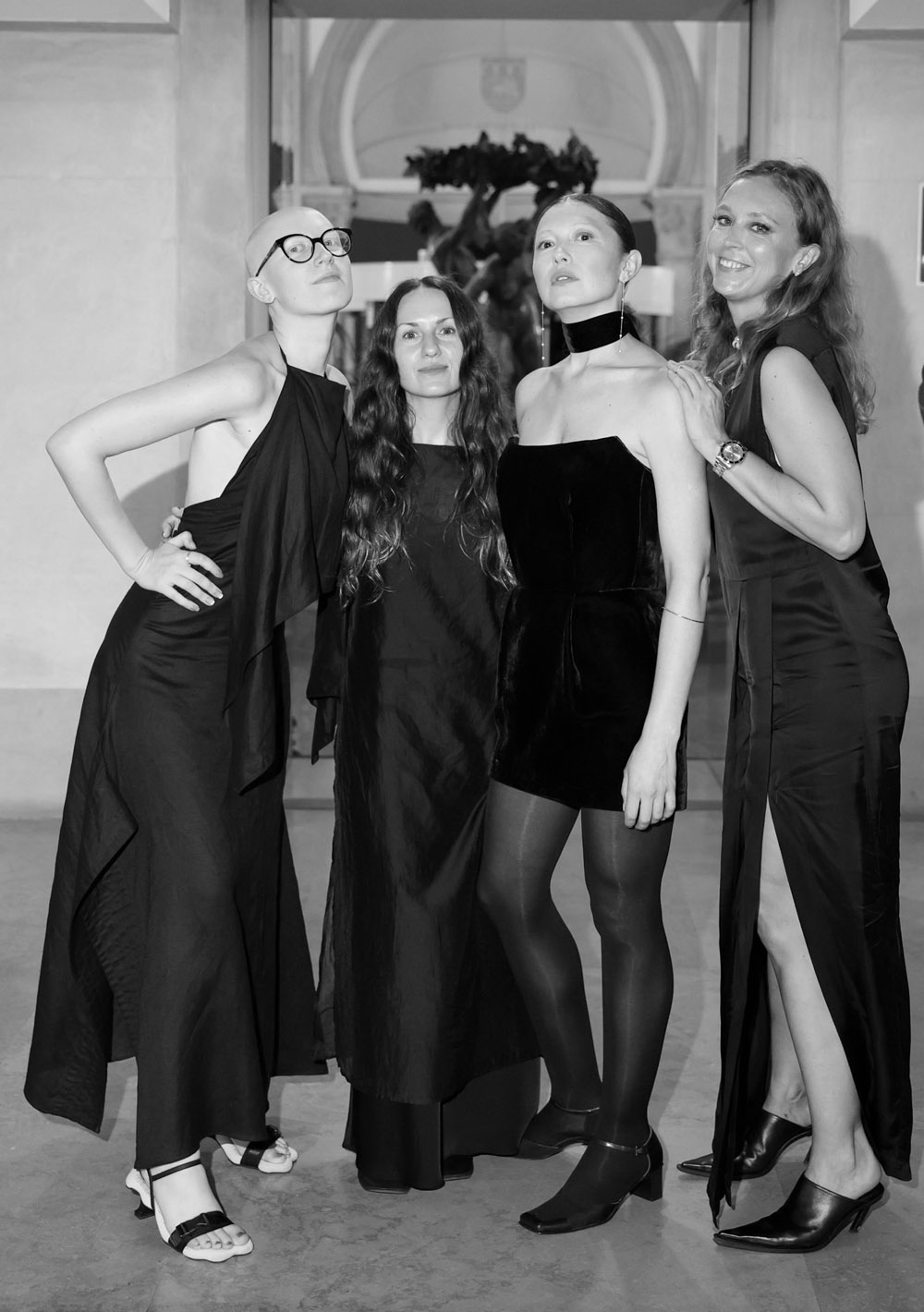
Every film is first and foremost a collaboration. Memory was brought to life by four women whose talent, care, and shared vision carried the film from its first idea to its encounter with audiences.
(from left to right)
Liza Popova
Director of Photography
Daria Litvinova
Art Director
Vladlena Sandu
Writer-Director, Editor, Actress, Executive Producer
Yanna Buryak
Producer
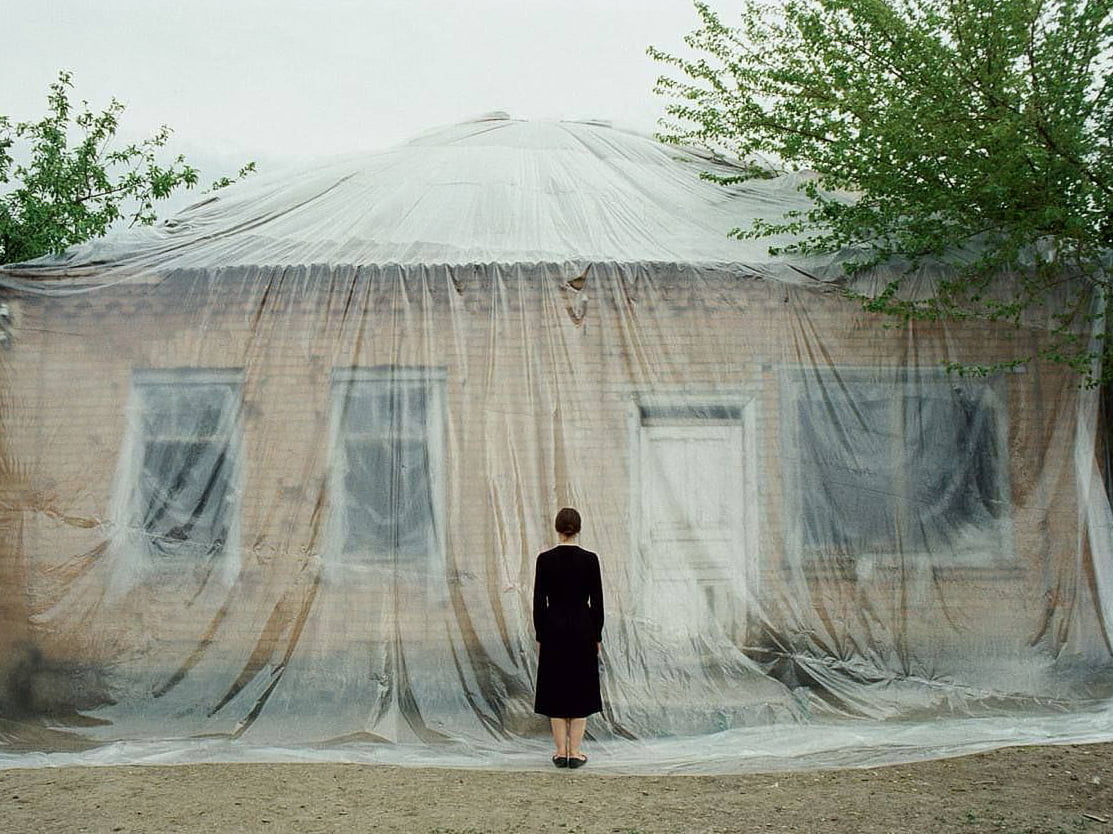
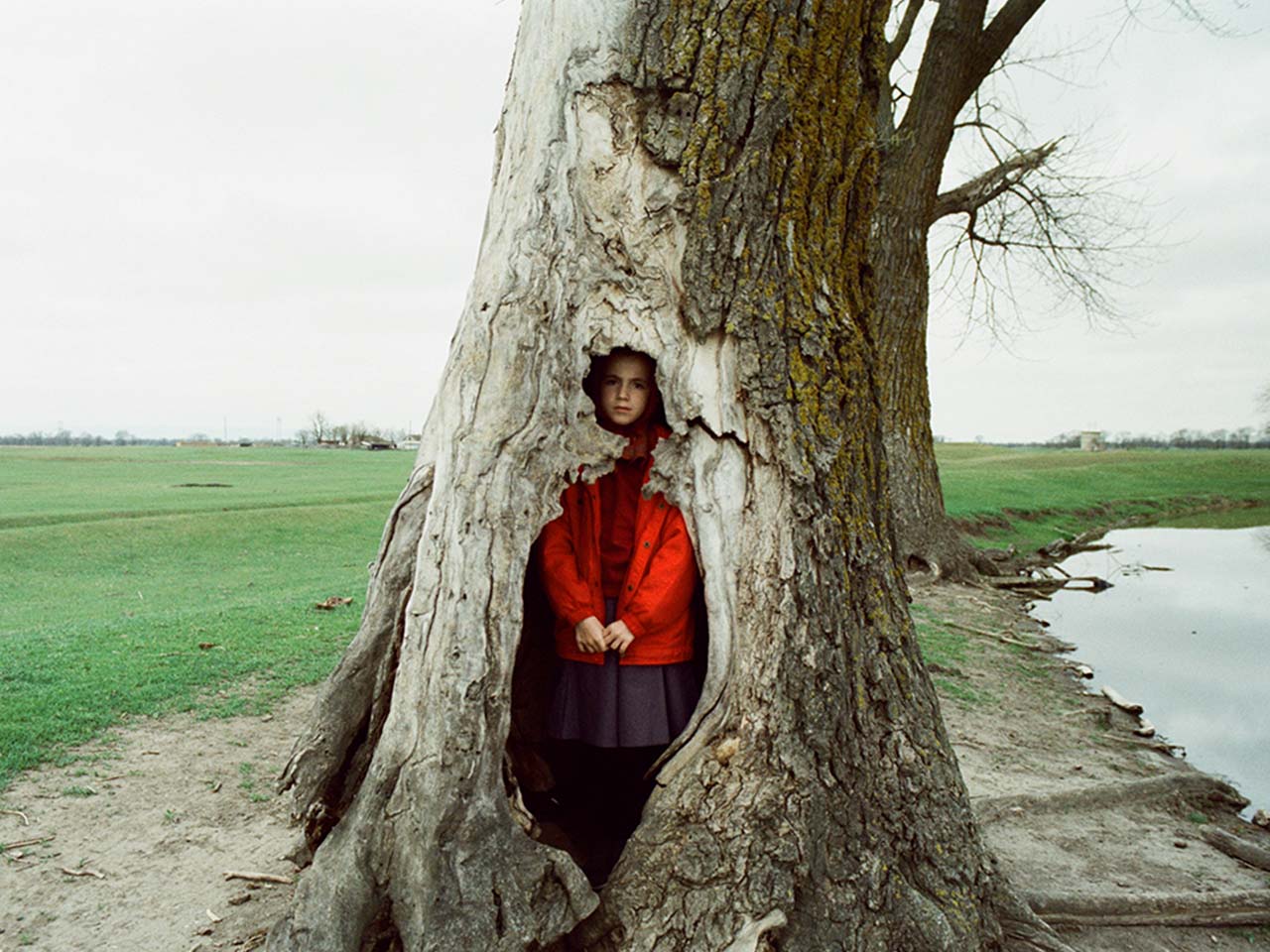
Filming took place in Chechnya, Crimea and Moscow




Powerful… Extraordinary
Variety (Jessica Kiang)
Hypnotic prose poem
Deadline (Damon Wise)
A poetic, highly personal work
Screen Daily (Allan Hunter)
Extraordinarily inventive
Cineuropa (Fabien Lemercier)
A staggering achievement… one of the most ambitious, daring projects of the past decade
International Society of Cinephiles (Matthew Joseph Jenner)
‘Memory’ Review: A Haunting Memorial Collage Crafted from a Child’s Experience of War
Interview with Vladlena Sandu at Variety

Vladlena Sandu
Writer-director
vladlenasunny@gmail.com
+31 684017094

Yanna Buryak
Producer
yanna@mimesis.productions
+33 6 03 66 12 64